



 Secure & Verified
  UK Based Prescribing
  100% Confidential
 Deliver within
90 minutes*
Deliver within
90 minutes*
 UK Registered
Pharmacy
UK Registered
Pharmacy
 Discreet,
Confidential Service
Discreet,
Confidential Service
How It Works

Fill in the Online Questionnaire
Simply chose your treatment, fill in the online questionnaire and complete the checkout process.
We dispense your medication
Once our prescriber approves your order we dispense and prepare your medication.

Delivered straight to you
We then dispatch your order and have it delviered to you so you can sit back and relax while we take care of your medication needs.
What our patients are saying

Registered Pharmacy. based in Central London

All our medicines are sourced from MHRA approved suppliers.

We are fully insured by the National Pharmacy Assoiciation
Wide Range of Treatments
Same Day Delivery Options
Secure & Discreet Treatments
Our in-house Pharmacy Team

Birpal Virdee
Superintendent Pharmacist
GPhc Number: 2079728

Harpreet Virdee
Prescribing Pharmacist
GPhc Number: 2222850

Rushi Patel
Dispenser & Customer Support

Hajir Mia
Dispenser & Customer Support

Sagar Pandya
Warehouse Manager / Dispenser
Frequently asked questions
What does the test measure?
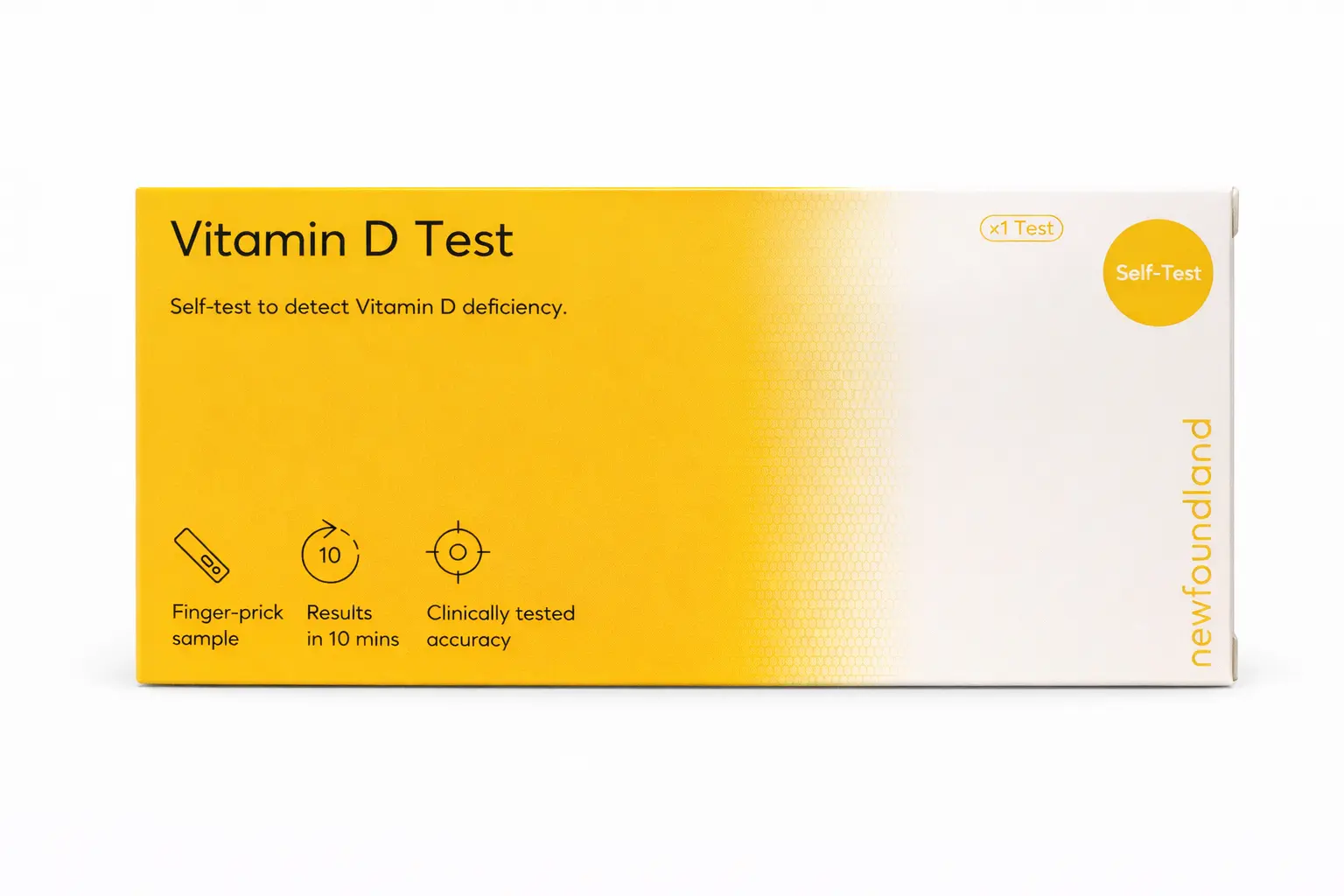
This kit measures vitamin D levels in your blood, typically reported as the concentration of 25-hydroxyvitamin D (25(OH)D), the form used to assess overall vitamin D status.
Who is this test suitable for?
It is designed for adults who want to check their vitamin D status at home. If you have specific health concerns, consult a healthcare professional before testing.
How do I collect the sample?
Follow the kit instructions. A sterile lancet is used to collect a small drop of blood from your fingertip onto the test device or sample card provided.
When should I test?
You can test at any time if you have concerns about low vitamin D (e.g., during winter months, limited sun exposure, darker skin, or symptoms like fatigue or muscle weakness). Specific timing may be advised in the instructions.
How long until I get a result?
Follow the kit’s directions; many at-home kits provide results within a set timeframe once the sample has been processed.
What do the results mean?
Results will indicate whether your vitamin D level is within the normal range, insufficient, or deficient. The exact cut-offs are provided in the kit’s information. A low result may suggest you need to increase sun exposure, dietary sources of vitamin D, or consider supplements under medical guidance.
Is this test as good as a lab test?
At-home tests provide useful insight into your vitamin D status, but they are not a clinical diagnosis. A formal blood test at your GP or clinic may be recommended if levels are very low or if you have symptoms.
Can children use this test?
Home vitamin D testing is generally intended for adults. For children or babies, seek advice from a healthcare professional before testing.
What should I do if my results are low?
Discuss your results with your GP, pharmacist, or another healthcare provider. They can advise on appropriate supplements, dosing, and follow-up testing if needed.
Secure Payment Options