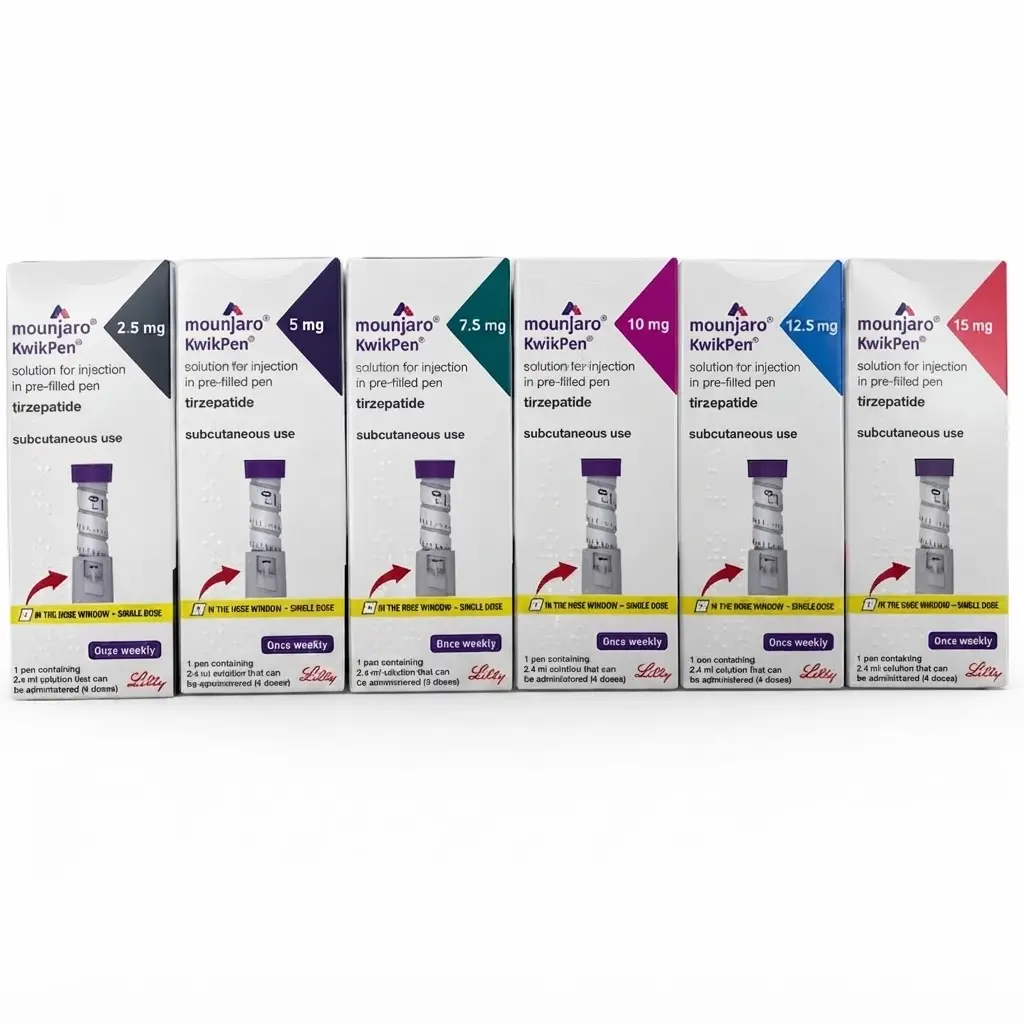

 Deliver within 90 minutes*
 UK Registered Pharmacy
 Discreet, Confidential Service

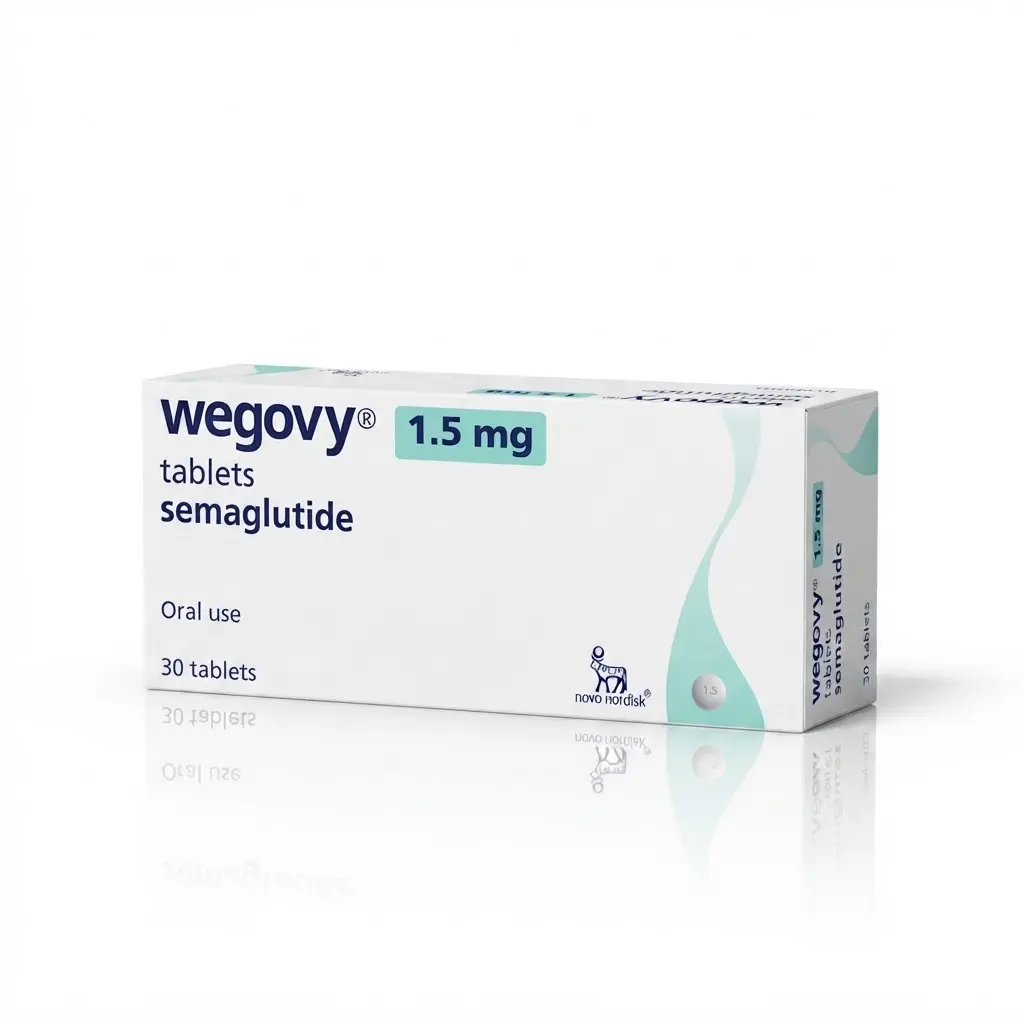
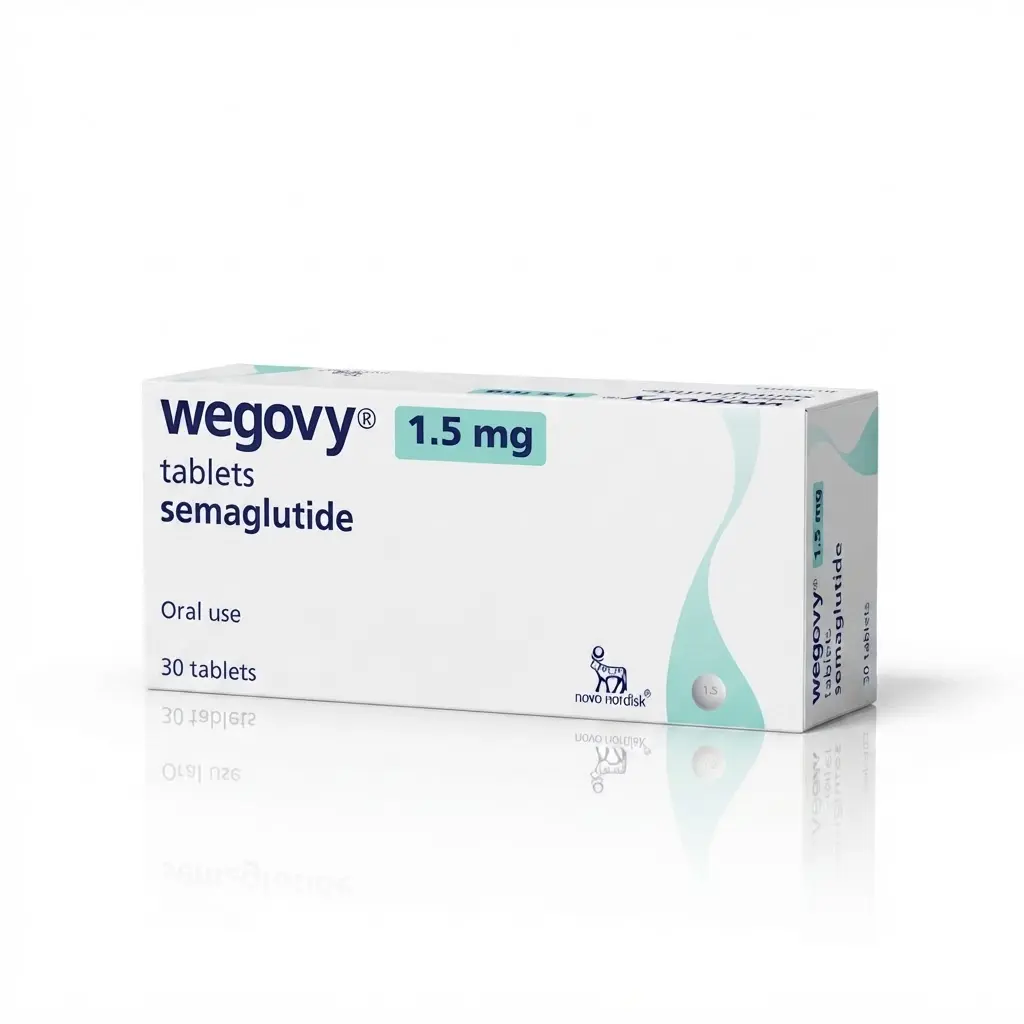
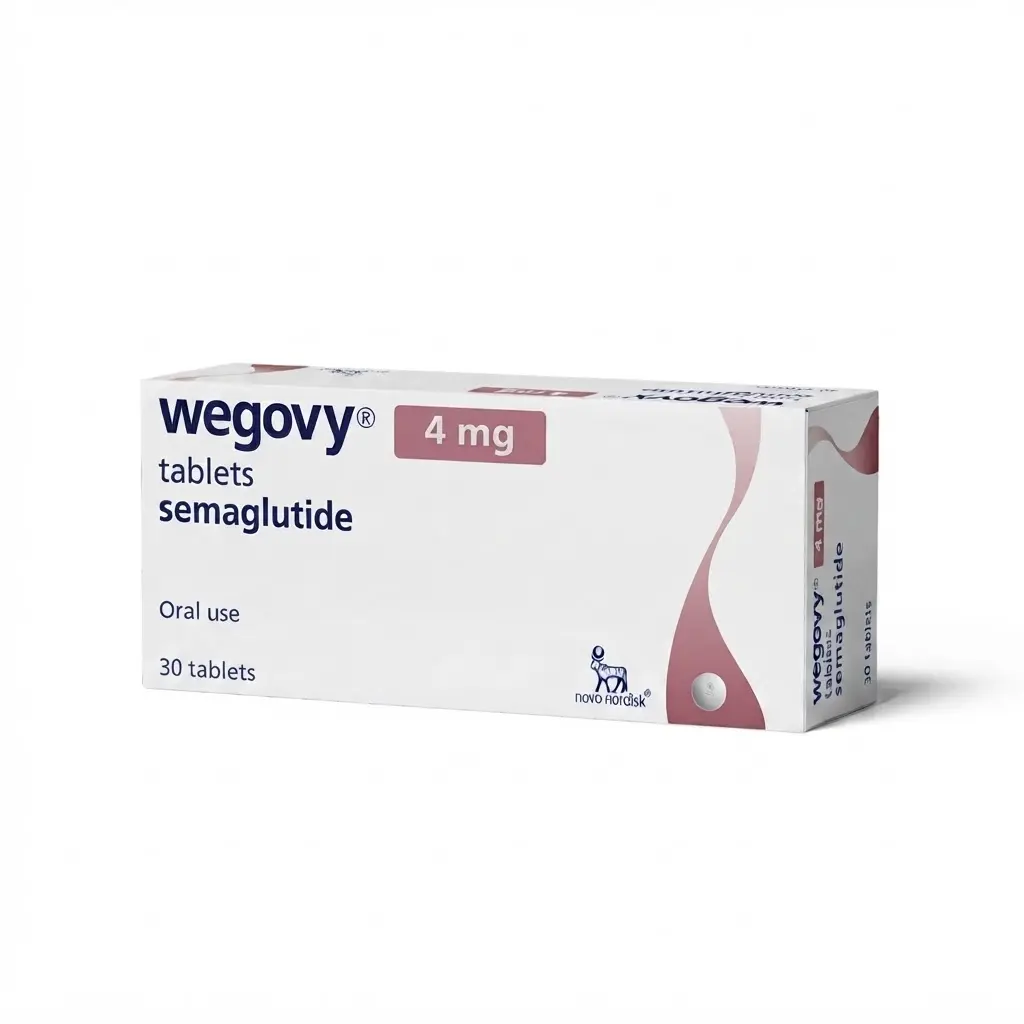
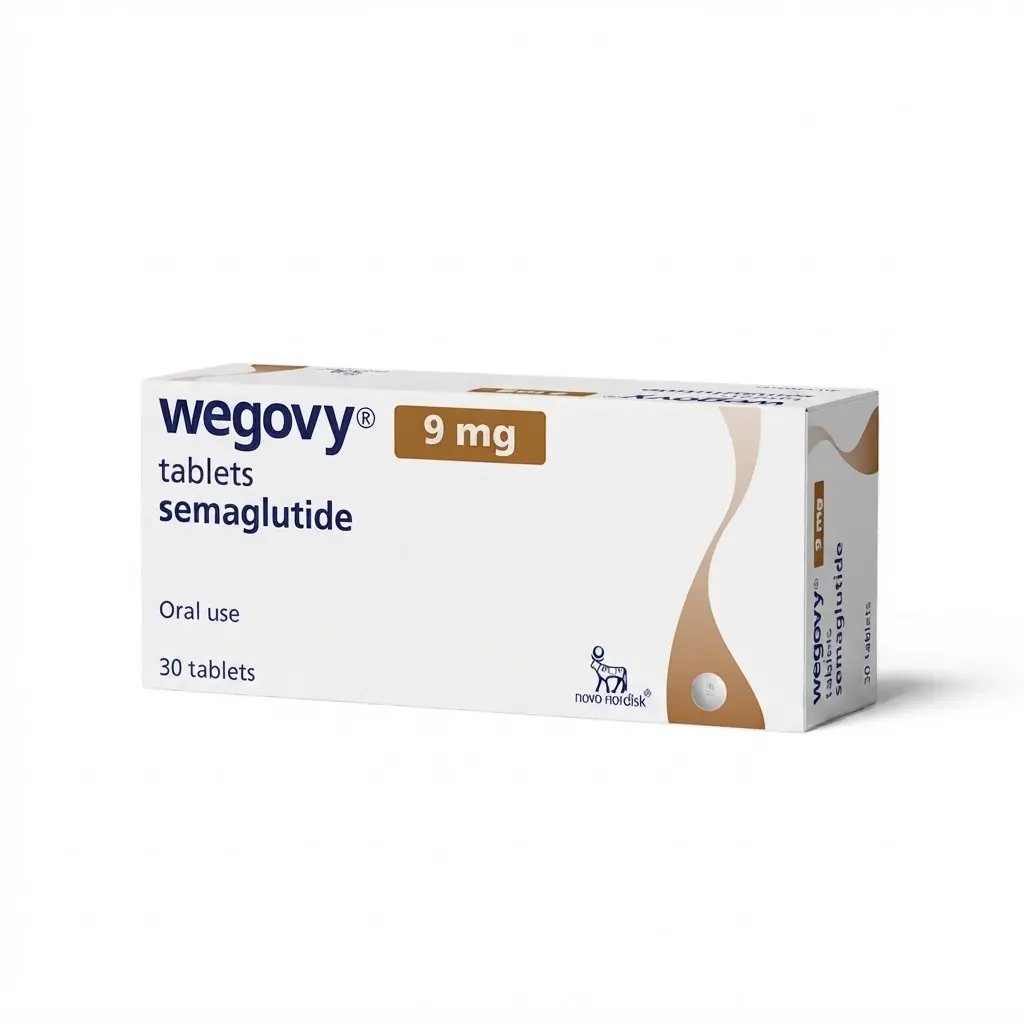
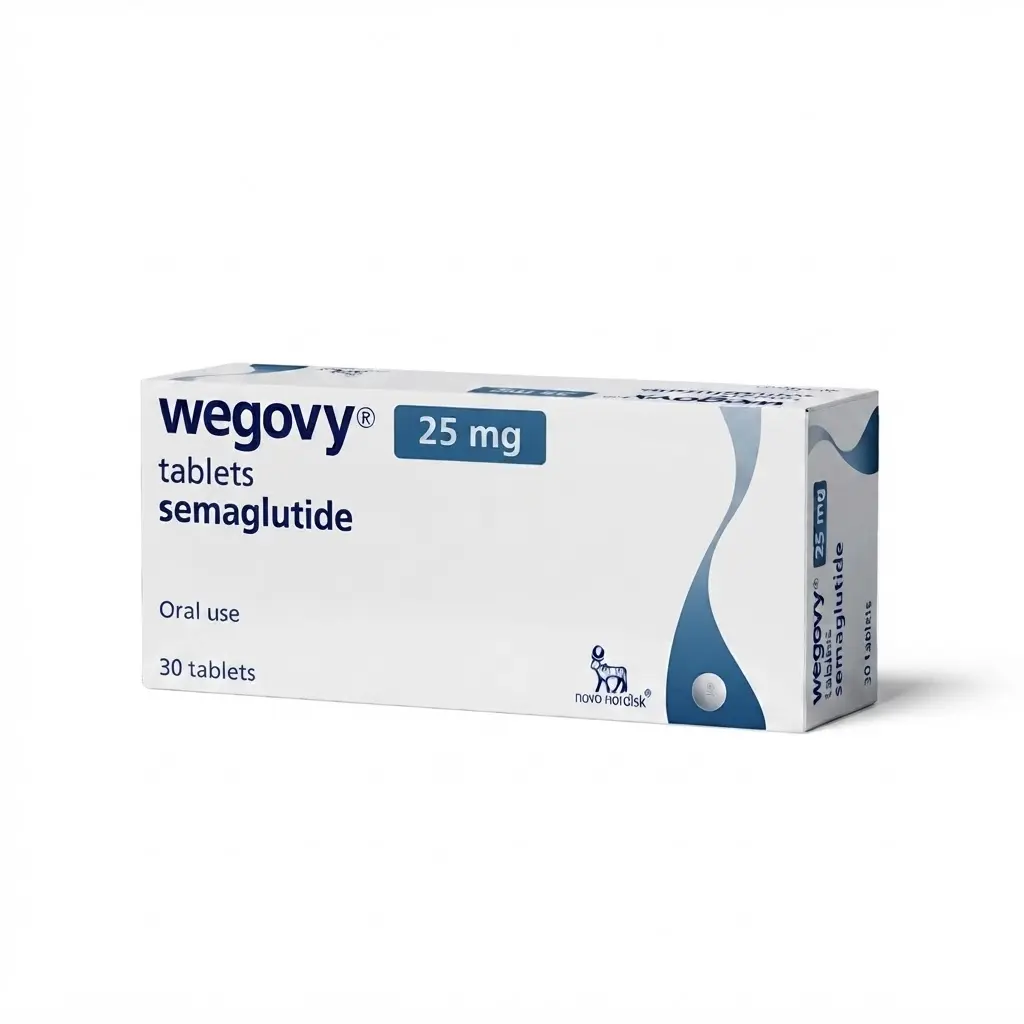
Wegovy Tablets
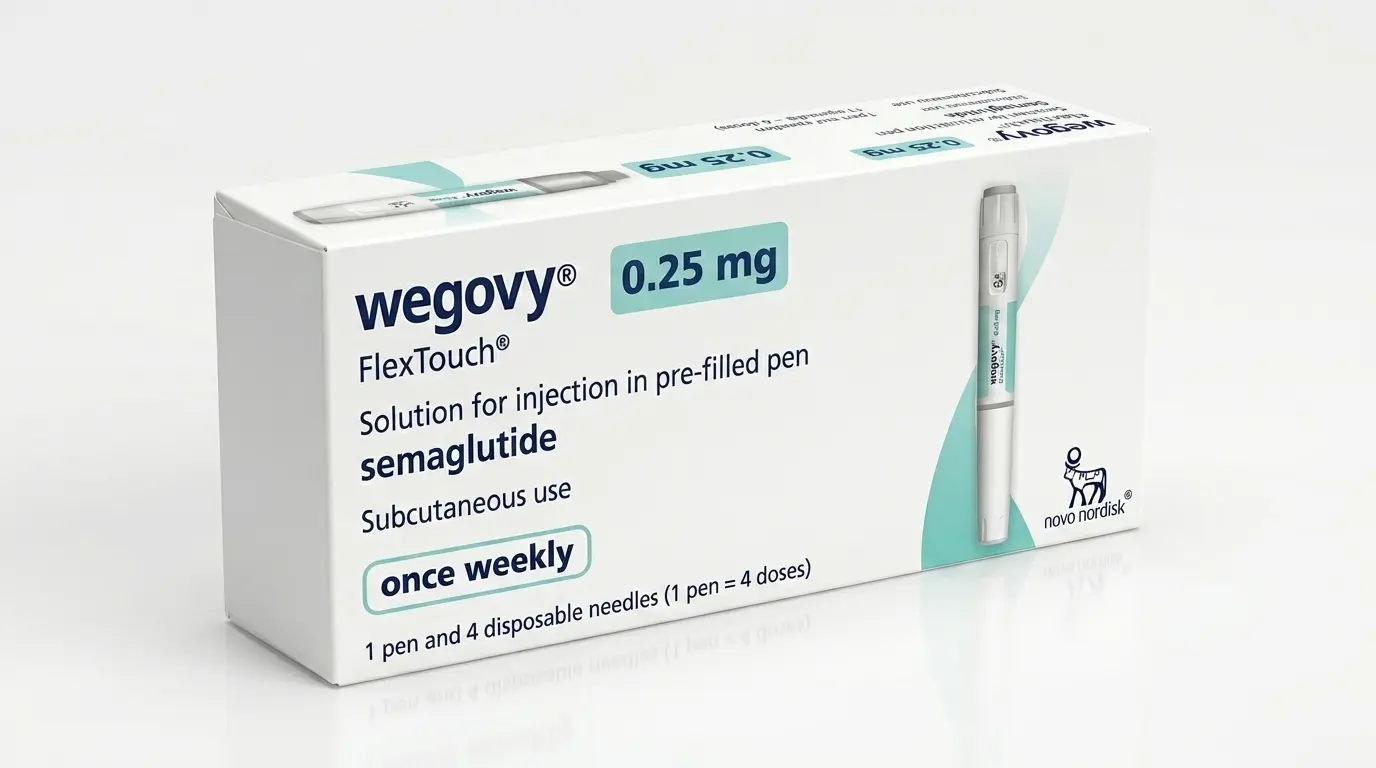
Wegovy tablets contain semaglutide, a prescription-only GLP-1 medicine used for weight loss and long-term weight management. Taken once daily, Wegovy helps reduce hunger, increase feelings of fullness and control food cravings. It should be used alongside a reduced-calorie diet and increased physical activity.
Select Strength
Wegovy tablets are licensed for adults with obesity (BMI of 30 or above), or adults who are overweight (BMI between 27 and 30) and have at least one weight-related health condition. Your suitability will be assessed by a qualified prescriber before treatment is approved.
Treatment normally begins with 1.5mg once daily. The dose may then be increased to 4mg, 9mg and finally 25mg, with at least one month at each dose. Increasing the dose gradually helps your body adjust and may reduce digestive side effects.
Take the tablet whole on an empty stomach after fasting for at least eight hours. Swallow it with a small sip of water and wait at least 30 minutes before eating, drinking or taking any other oral medicine. Eating or drinking sooner can reduce the amount of semaglutide your body absorbs.
Common side effects include nausea, diarrhoea, constipation, vomiting and abdominal discomfort. These are often more noticeable when starting treatment or increasing the dose and may improve as your body adjusts. Seek urgent medical advice if you develop severe and persistent abdominal pain, particularly if it spreads to your back, as this may be a sign of pancreatitis.
Wegovy should not be used during pregnancy or breastfeeding. Tell the prescriber about your medical conditions and all medicines you take, particularly diabetes medicines or any other treatment containing semaglutide or another GLP-1 medicine.
What are Wegovy tablets?
Wegovy tablets are a once-daily weight-management treatment containing semaglutide. They provide an oral alternative for suitable patients who do not want to use a weekly injection.
How do Wegovy tablets work?
Semaglutide mimics a naturally occurring hormone called GLP-1. It acts on areas of the brain involved in appetite, helping you feel fuller for longer while reducing hunger, cravings and food intake.
How do I take Wegovy tablets?
Take one tablet each day after fasting for at least eight hours. Swallow it whole with a small sip of water. Do not eat, drink or take other oral medicines for at least 30 minutes afterwards.
What strengths are available?
Wegovy tablets are available in 1.5mg, 4mg, 9mg and 25mg strengths. Most new patients start with 1.5mg and increase their dose gradually when instructed by the prescriber.
Can I start with the highest dose?
No. Starting at a high dose can substantially increase the risk of side effects. New patients must usually begin with 1.5mg and follow the prescribed dose-increase schedule.
Can I switch from Wegovy injections to tablets?
Some patients may be able to switch. Patients using the 2.4mg weekly Wegovy injection may be transitioned to the 25mg daily tablet, but this must be assessed and authorised by a prescriber. Do not switch formulations yourself.
Is oral Wegovy the same as Rybelsus?
Both contain semaglutide, but they are licensed for different purposes and are not directly interchangeable. Wegovy tablets are licensed for weight management, while Rybelsus is primarily licensed for treating type 2 diabetes.
What are the most common side effects?
The most common side effects are nausea, diarrhoea, constipation and vomiting. Some patients may also experience abdominal discomfort, indigestion or reduced appetite.
How much weight could I lose?
Results vary between individuals. Wegovy is most effective when combined with sustainable dietary changes and increased physical activity. Your progress and response to treatment should be reviewed regularly.
Can I take Wegovy with Mounjaro, Ozempic or another GLP-1 medicine?
No. Wegovy should not normally be combined with another medicine containing semaglutide or another GLP-1 treatment unless specifically directed by an appropriate specialist.
Can I take Wegovy during pregnancy?
No. Wegovy must not be used during pregnancy and should be stopped at least two months before a planned pregnancy. Speak to your prescriber immediately if you become pregnant while taking it.
What happens if I experience side effects?
Mild digestive side effects can sometimes be managed by eating smaller meals, avoiding rich or fatty foods and drinking enough fluids. Contact the pharmacy or your healthcare professional if symptoms are troublesome or persistent. Seek urgent medical attention for severe, persistent stomach pain, signs of a serious allergic reaction or sudden changes in vision.